


I’m sure you have heard us talk about the importance of lifecycle replacement. It continues to be a worthwhile approach to reduce disruption and downtime to your business, but many don’t take time to do it. With more emphasis on the cloud, the idea of lifecycle replacement planning is even less of a priority. What if I said you need to evaluate the lifecycle of your cloud too? Before I jump into that, let’s review and renew our leadership mindset.
“If it isn’t broke, don’t fix it” is far too often the mindset many businesses have. It is understandable: You have enough other things to work on that may be both urgent and important. The problem, however, with overlooking proactive work like this is that sooner or later it will become an urgent issue. We have all had times where we jump from one urgent issue to another in what seems to be a never-ending cycle.
Crises & Fire Fighting vs. Prevention & Planning
Steven Covey writes in his book The Seven Habits of Highly Effective People about urgent/non-urgent and important/not important matters (see figure below). Many of us live in quadrant 1, “Fire Fighting”, dealing with constant problem and crises. But we need to strive to be in quadrant 2, “Quality Time”, where we can work on prevention, building, planning, and opportunities.
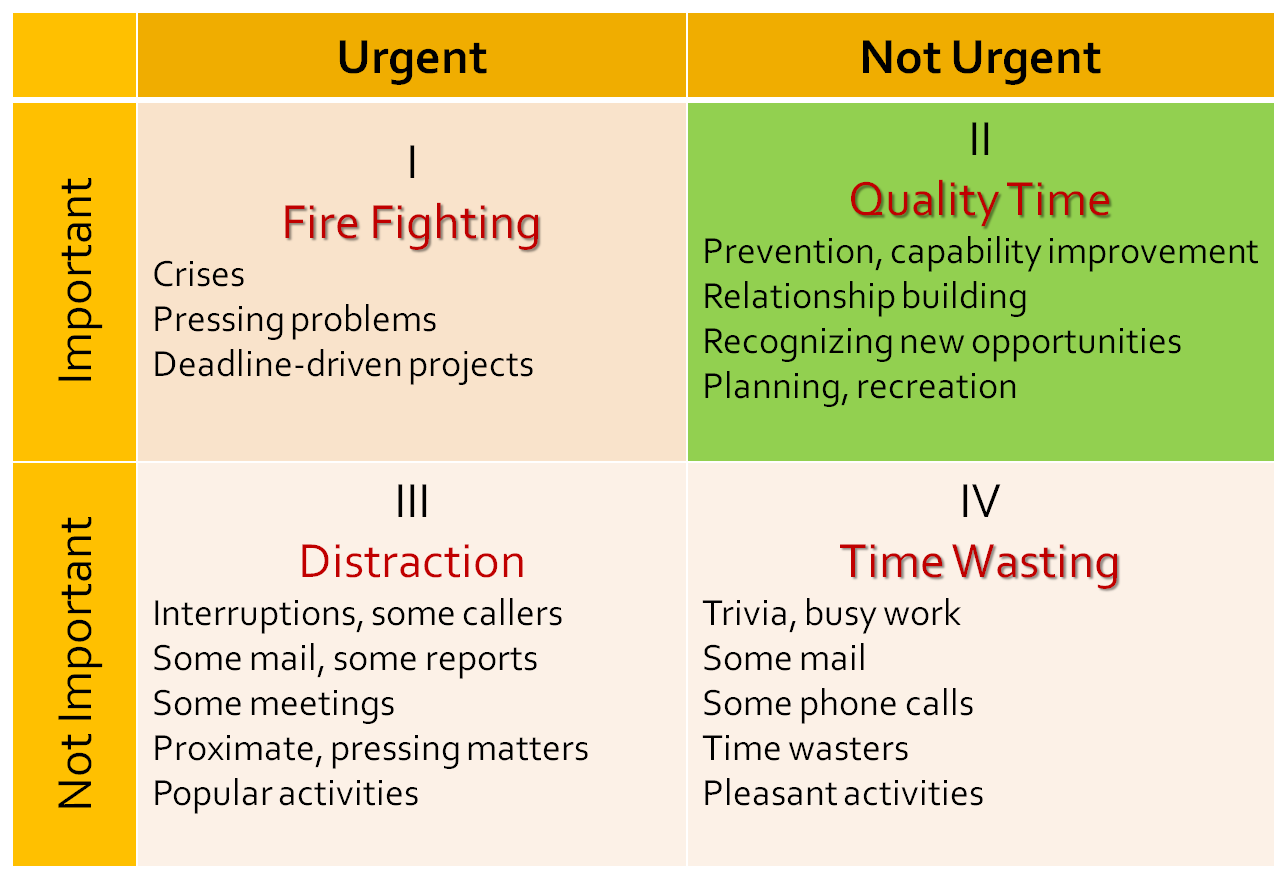
Quadrant 1 is stressful. It is also costly. In terms of technology, we see the urgency of ordering a new PC for an employee because their 7-year-old machine died. Now, that person’s work is held up – at best not as efficient – and it sets off a chain reaction of slowing other processes down in the business, depending on that one person’s function. And it does cost more to replace in an emergency! We must fix the old PC to get the information off of it. It costs more to replace it; it costs more in downtime; it slows down your business; and it hurts company morale.
Quadrant 2 is thoughtful and strategic. You are not reacting to problems. You are getting ahead of them proactively. You plan the transition, on “your time timeline”, instead of something hijacking your day.
All that being said, it seems convincing to plan to be proactive on lifecycle replacement.
Lifecycle replacement of the cloud?
Lifecycle replacement of the cloud? That’s right! We are not talking about helping Microsoft or Amazon plan to replace their hardware. That is the beauty of the cloud – you don’t have to be concerned about that. What you do need to be concerned with is the effectiveness of the cloud for your business. At OXEN, we’ve migrated a lot of people to cloud platforms. While the plan you started with was right at the time, it may not be the right plan today. What new plans or levels of service are available? Are there features out there that you can’t utilize in your current plan?
Lifecycle for your cloud is less about age or timeframes and more about meeting your needs in terms of security, communications, etc. As an example, it’s like having only a home phone when you could be using a cell phone. Sure, the home phone does what it did when you bought it, and it was the latest, greatest thing when you did. But the rest of the world has moved past that, and you don’t have to be home to make or take a call anymore. Because you haven’t re-evaluated, by default you are stuck in the past.
Cloud lifecycle planning is regularly evaluating the usefulness of your current platform or plan for your business.
In short, your cloud platforms and subscriptions are not exempt from needing proactive planning, maintenance, and upgrades. This needs to be included in your technology lifecycle planning as well.
How do You Become a Proactive Planner?
Cloud lifecycle planning takes leadership, time, and expertise. OXEN is happy to this assistance if it does not make sense for you to do it on your own. If you are interested in learning more about that, check out our CIO/CISO services. If you can tackle this on your own, I hope this motivates you to action, and brings your organization great success![oxenRule side="left"][recent_posts style="default" category="all" columns="3" title_labels="true" order="DESC" orderby="date" posts_per_page="3"]